First Website? Essential Tips for Small Businesses Building Their Online Presence
In today's digital world, your website is often the first impression potential customers have of your business. Whether you're launching a new company, starting a side hustle, or finally taking your business online, creating your first website can feel overwhelming. The good news? With the right strategy, you can build a professional, effective website that helps grow your brand and attract customers.
Here are some practical tips for small businesses creating their first website.
Start with a Clear Goal
Before choosing colors, fonts, or layouts, determine what you want your website to accomplish.
Ask yourself:
- Do you want customers to contact you?
- Are you selling products online?
- Do you need to book appointments?
- Are you showcasing your portfolio or services?
- Do you want to build an email list?
Having a clear objective will guide every decision you make during the design process.
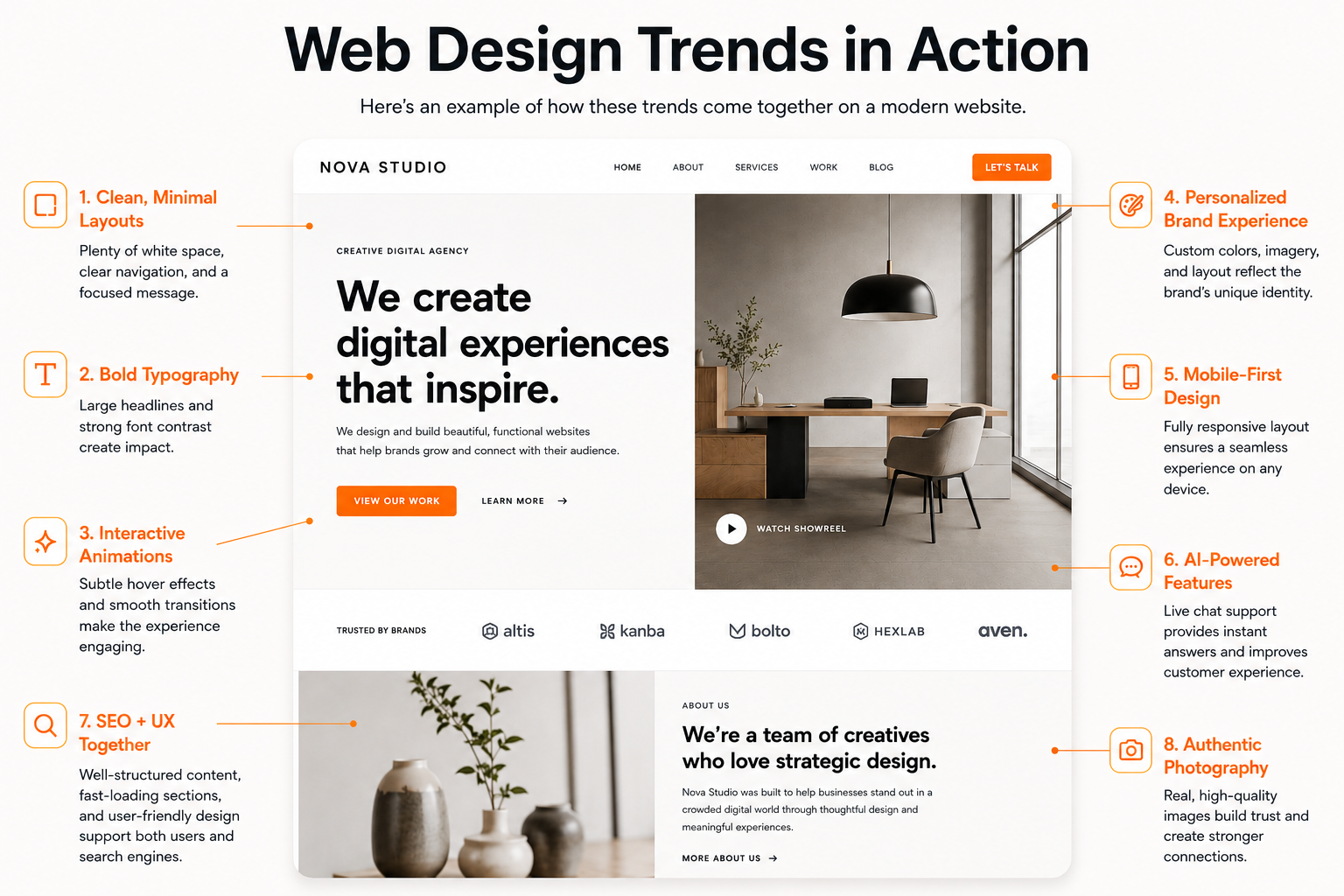
Keep Navigation Simple
One of the biggest mistakes new website owners make is including too many pages and menu items.
Start with these essential pages:
Home
Introduce your business and explain how you help customers.
About
Share your story, mission, and what makes your business unique.
Services or Products
Clearly explain what you offer.
Blog
Provide valuable content that helps customers and improves SEO.
Contact
Make it easy for visitors to reach you.
A clean, organized navigation menu helps visitors find what they need quickly.
Choose a Mobile-Friendly Design
More than half of all website traffic comes from mobile devices. Your website should look great on smartphones, tablets, and desktop computers.
When selecting a WordPress theme, prioritize:
- Responsive design
- Fast loading times
- Easy-to-read text
- Mobile-friendly menus
- Simple layouts
A poor mobile experience can cause potential customers to leave your site before learning about your business.
Invest in Professional Branding
Your website should reflect your brand consistently.
Consider creating:
- A professional logo
- A cohesive color palette
- Brand fonts
- Consistent imagery
- Clear messaging
Strong branding builds trust and helps customers remember your business.
For small businesses, consistency is often more important than complexity.
Focus on Quality Content
Beautiful design can attract visitors, but content keeps them engaged.
Every page should answer:
- Who are you?
- What do you offer?
- Why should customers choose you?
- What should they do next?
Use clear headlines, concise descriptions, and calls-to-action that guide visitors toward contacting you, making a purchase, or scheduling a consultation.
Don't Forget Search Engine Optimization (SEO)
A website is only effective if people can find it.
Basic SEO best practices include:
- Writing descriptive page titles
- Using keywords naturally
- Adding image alt text
- Creating helpful blog content
- Optimizing page speed
- Setting up Google Search Console
Plugins such as Yoast SEO or Rank Math can help beginners improve their website's visibility in search engines.
Make Contact Information Easy to Find
Many small business websites hide their contact information.
Instead, make it visible:
- In the website header
- On the Contact page
- In the footer
- On service pages
Include:
- Email address
- Phone number (if applicable)
- Social media links
- Contact form
The easier it is to contact you, the more inquiries you'll receive.
Install Essential WordPress Plugins
You don't need dozens of plugins to create a successful website.
Consider starting with:
SEO
- Yoast SEO
- Rank Math
Security
- Wordfence Security
Forms
- WPForms
Performance
- LiteSpeed Cache
- WP Rocket
Backups
- UpdraftPlus
Choose quality plugins that are regularly updated and have strong user reviews.
Create Trust with Testimonials
Potential customers want reassurance before making a decision.
Add:
- Customer reviews
- Testimonials
- Case studies
- Before-and-after examples
- Portfolio galleries
Social proof helps build credibility and confidence in your business.
Add a Blog Early
Many new business owners wait to start blogging, but a blog can become one of your most valuable marketing tools.
Benefits include:
- Better SEO rankings
- More website traffic
- Industry authority
- Content for social media
- Customer education
Even publishing one helpful article each month can make a significant difference over time.
Prioritize Website Speed
Visitors expect websites to load quickly.
To improve performance:
- Compress images
- Use caching plugins
- Limit unnecessary plugins
- Choose quality hosting
- Optimize image sizes before uploading
A faster website creates a better user experience and supports higher search rankings.
Include Clear Calls-to-Action
Every page should guide visitors toward the next step.
Examples include:
- Schedule a Consultation
- Request a Quote
- Shop Now
- Contact Us
- Download Our Guide
- Join Our Newsletter
Without clear calls-to-action, visitors may leave without engaging with your business.
Creating your first website doesn't require a huge budget or advanced technical skills. By focusing on clear goals, strong branding, quality content, and a user-friendly experience, small businesses can build a website that serves as a powerful marketing tool for years to come.
Remember, your website doesn't need to be perfect on day one. Launch with a strong foundation, continue improving over time, and let your website grow alongside your business.